| Search in Hadith |
| www.SearchTruth.com |

'and if any one believes in Allah, ((Allah)) guides his heart (aright): for Allah knows all things'. [Quran:64:11]
Sunday, September 17, 2006


Friday, September 15, 2006
Where is al-Husayn buried?
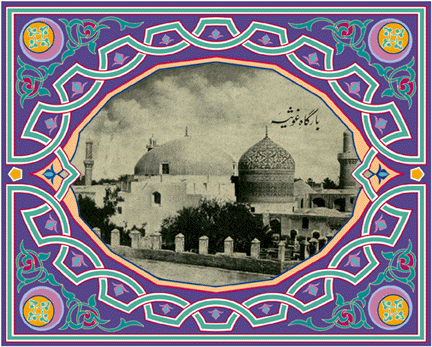
Where is al-Husayn buried, and how important is it to know where the graves of the Sahaabah are?
Question:
A questioner says that people talk a great deal and have different opinions about where the grave of al-Husayn is located. Can the Muslims benefit from knowing exactly where it is?.
Answer:
Praise be to Allaah.
In fact people differed concerning that. It was said that he is buried in Syria, or in Iraq, and Allaah knows best what is true. With regard to his head, they also differed concerning that; it was said that it is buried in Syria, or in Iraq, or in Egypt. The correct view is that the site in Egypt is not his grave, rather that is a mistake and the head of al-Husayn is not there. A number of scholars have written essays on that and explained that there is no evidence for the head of al-Husayn being in Egypt. The most likely to be correct is the view that it is in Syria, because it was taken to Yazeed ibn Mu’aawiyah who was in Syria. There is no basis for the view that it was taken to Egypt. Either it was kept in Syria or it was returned to his body in Iraq.
Whatever the case, the people do not need to know where it is buried or where it is. Rather what is prescribed is to pray for forgiveness and mercy for him, may Allaah forgive him and be pleased with him, for he was killed unlawfully. So we should pray for forgiveness and mercy for him, and hope for much good for him. He and his brother al-Hasan will be the leaders of the youth of Paradise, as the Prophet (peace and blessings of Allaah be upon him) said. May Allaah be pleased with them.
If a person’s grave is known, there is nothing wrong with saying salaams to him and making du’aa’ for him, as other graves may be visited, without going to extremes in that or worshipping them. It is not permissible to ask the dead to intercede, because nothing can be asked of the dead; rather we should make du’aa’ for them and pray for mercy for them if they were Muslims, because the Prophet (peace and blessings of Allaah be upon him) said: “Visit the graves, for they will remind you of the Hereafter.”
If a person visits the graves of al-Husayn or al-Hasan or any other Muslim to make du’aa’ for them and pray for mercy and forgiveness for them, as he would do at the grave of any other Muslim, this is Sunnah. But visiting graves to pray to their occupants or seek their help or ask them to intercede – this is a reprehensible action, and indeed it is major shirk. It is not permissible to build mosques or domes etc over graves, because the Messenger (peace and blessings of Allaah be upon him) said: “May Allaah curse the Jews and Christians, for they took the graves of their Prophets as places of worship.” (Saheeh – agreed upon). And because it was narrated from Jaabir (may Allaah be pleased with him) in al-Saheeh that the Prophet (peace and blessings of Allaah be upon him) forbade plastering over graves, sitting on them and erecting structures over them.” So t is not permissible to plaster over graves, perfume them, place screens around them or erect structures over them; all of that is forbidden and these are means that lead to shirk. And we should not pray at graves because the Prophet (peace and blessings of Allaah be upon him) said: “Those who came before you used to take the graves of their Prophets and righteous people as places of worship; do not take graves as places of worship, for I forbid you to do that.” (Narrated by Muslim in his Saheeh from Jundub ibn ‘Abd-Allaah al-Bajali (may Allaah be pleased with him).
This hadeeth indicates that it is not permissible to pray at graves or to take them as mosques; and because that is a means that leads to shirk and worshipping someone other than Allaah by calling upon them (the occupants of the graves), seeking their help, making vows to them, and touching the graves to seek their blessings. Hence the Prophet (peace and blessings of Allaah be upon him) warned against that. Rather graves should be visited in the manner prescribed in sharee’ah only, to give salaams to them and make du’aa’ for them and pray for mercy for them, but without travelling specifically for that purpose.
And Allaah is the Source of strength and the Guide to the straight path.
In fact people differed concerning that. It was said that he is buried in Syria, or in Iraq, and Allaah knows best what is true. With regard to his head, they also differed concerning that; it was said that it is buried in Syria, or in Iraq, or in Egypt. The correct view is that the site in Egypt is not his grave, rather that is a mistake and the head of al-Husayn is not there. A number of scholars have written essays on that and explained that there is no evidence for the head of al-Husayn being in Egypt. The most likely to be correct is the view that it is in Syria, because it was taken to Yazeed ibn Mu’aawiyah who was in Syria. There is no basis for the view that it was taken to Egypt. Either it was kept in Syria or it was returned to his body in Iraq.
Whatever the case, the people do not need to know where it is buried or where it is. Rather what is prescribed is to pray for forgiveness and mercy for him, may Allaah forgive him and be pleased with him, for he was killed unlawfully. So we should pray for forgiveness and mercy for him, and hope for much good for him. He and his brother al-Hasan will be the leaders of the youth of Paradise, as the Prophet (peace and blessings of Allaah be upon him) said. May Allaah be pleased with them.
If a person’s grave is known, there is nothing wrong with saying salaams to him and making du’aa’ for him, as other graves may be visited, without going to extremes in that or worshipping them. It is not permissible to ask the dead to intercede, because nothing can be asked of the dead; rather we should make du’aa’ for them and pray for mercy for them if they were Muslims, because the Prophet (peace and blessings of Allaah be upon him) said: “Visit the graves, for they will remind you of the Hereafter.”
If a person visits the graves of al-Husayn or al-Hasan or any other Muslim to make du’aa’ for them and pray for mercy and forgiveness for them, as he would do at the grave of any other Muslim, this is Sunnah. But visiting graves to pray to their occupants or seek their help or ask them to intercede – this is a reprehensible action, and indeed it is major shirk. It is not permissible to build mosques or domes etc over graves, because the Messenger (peace and blessings of Allaah be upon him) said: “May Allaah curse the Jews and Christians, for they took the graves of their Prophets as places of worship.” (Saheeh – agreed upon). And because it was narrated from Jaabir (may Allaah be pleased with him) in al-Saheeh that the Prophet (peace and blessings of Allaah be upon him) forbade plastering over graves, sitting on them and erecting structures over them.” So t is not permissible to plaster over graves, perfume them, place screens around them or erect structures over them; all of that is forbidden and these are means that lead to shirk. And we should not pray at graves because the Prophet (peace and blessings of Allaah be upon him) said: “Those who came before you used to take the graves of their Prophets and righteous people as places of worship; do not take graves as places of worship, for I forbid you to do that.” (Narrated by Muslim in his Saheeh from Jundub ibn ‘Abd-Allaah al-Bajali (may Allaah be pleased with him).
This hadeeth indicates that it is not permissible to pray at graves or to take them as mosques; and because that is a means that leads to shirk and worshipping someone other than Allaah by calling upon them (the occupants of the graves), seeking their help, making vows to them, and touching the graves to seek their blessings. Hence the Prophet (peace and blessings of Allaah be upon him) warned against that. Rather graves should be visited in the manner prescribed in sharee’ah only, to give salaams to them and make du’aa’ for them and pray for mercy for them, but without travelling specifically for that purpose.
And Allaah is the Source of strength and the Guide to the straight path.
Majmoo’ Fataawa wa Maqaalaat Mutanawwi’ah li’l-Shaykh Ibn Baaz, 6/366
Ruling on raising the voice in dhikr after the prayer
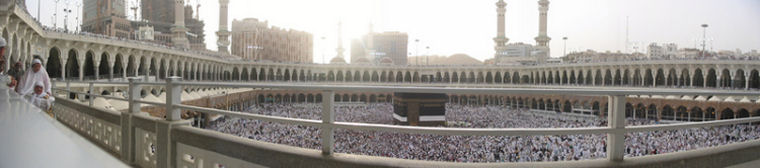
Ruling on raising the voice in dhikr after the prayer
Question:
Some brothers raise their voices in dhikr after finishing the prayer, especially Fajr prayer, based on the hadeeth of Ibn ‘Abbaas and others, to such an extent that they disturb other worshippers. When they are told about this they say: We are following the Sunnah and if they raised their voices like us they would not hear us and we would not be disturbing them. Is what they are doing correct? Should the others raise their voices when among them there are uneducated people and elderly people who cannot keep up with the group. How much should may the voice be raised?.
Answer:
Praise be to Allaah.
Firstly:
The fuqaha’ differed with regard to raising the voice in dhikr after the prayer. Some of them were of the view that it is Sunnah and some regarded it as makrooh and said that the Prophet (peace and blessings of Allaah be upon him) did not do that all the time; he only did that in order to teach people then he stopped doing it.
The reason for the difference of opinion is that they differed concerning the report narrated by al-Bukhaari (805) and Muslim (583) from Abu Ma’bad, the freed slave of Ibn ‘Abbaas, that Ibn ‘Abbaas (may Allaah be pleased with him) told him that people used to raise their voices in dhikr when they finished an obligatory prayer at the time of the Prophet (peace and blessings of Allaah be upon him). Ibn ‘Abbaas said: I used to know when they had finished (the prayer) by that, when I heard it.
According to a report narrated by al-Bukhaari (806) and Muslim (583), Ibn ‘Abbaas said: We knew when the prayer of the Messenger of Allaah (peace and blessings of Allaah be upon him) had finished from the takbeer.
But they differed as to whether this indicated something that was done all the time or not, and whether it went against the verse (interpretation of the meaning): “And remember your Lord within yourself, humbly and with fear and without loudness in words in the mornings and in the afternoons, and be not of those who are neglectful” [al-A’raaf 7:205] or not.
Among those who favoured raising the voice in dhikr after prayer were al-Tabari, Ibn Hazm, Shaykh al-Islam [Ibn Taymiyah] and others.
Among those who were of the view that it was for teaching only were al-Shaafa’i and the majority.
Al-Shaafa’i (may Allaah have mercy on him) said: My view is that the imam and the person praying behind him should remember Allaah after they finish praying, but they should recite dhikr in a low voice unless he is an imam who is to be learned from, in which case he should recite in a loud voice until he thinks that it has been learned from him, then he should recite quietly, because Allaah says (interpretation of the meaning): “And offer your Salaah (prayer) neither aloud nor in a low voice” [al-Isra’ 17:110] , meaning – and Allaah knows best – du’aa’; “neither aloud” means do not raise your voice and “nor in a low voice” means, so low that you cannot hear yourself.
I think that what Ibn al-Zubayr narrated about the tahleel (reciting Laa ilaaha ill-Allaah) of the Prophet (peace and blessings of Allaah be upon him),and what Ibn ‘Abbaas narrated about his takbeer is like what we have mentioned above. Al-Shaafa’i said: I think he only raised his voice a little in order to teach the people, because most of the reports that we have quoted do not mention reciting tahleel or takbeer after saying the tasleem.
Some reports say that dhikr was recited after the prayer, as I have described, and some say that he did not recite any dhikr after prayer.
Umm Salamah stated that he would stay after the prayer and she did not refer to any dhikr out loud, and I think he only stayed to recite some dhikr that was not said out loud. End quote from al-Umm (1/127).
Ibn Hazm (may Allaah have mercy on him) said: Raising the voice in takbeer following every prayer is good. End quote from al-Muhalla (3/180).
al-Bahooti said in Kashshaaf al-Qinaa’ (1/366), referring to Ibn Taymiyah’s view regarding reciting dhikr out loud as mustahabb: The Shaykh (i.e., Ibn Taymiyah) said: It is mustahabb to recite tasbeeh, tahmeed and takbeer out loud following every prayer.
Shaykh Muhammad ibn Saalih al-‘Uthaymeen (may Allaah have mercy on him) was asked about the ruling on this issue and he replied:
Reciting dhikr out loud following the obligatory prayers is Sunnah. This is indicated by the report narrated by al-Bukhaari from the hadeeth of ‘Abd-Allaah ibn ‘Abbaas (may Allaah be pleased with him), that the people used to recite dhikr out loud when they finished obligatory prayers at the time of the Prophet (peace and blessings of Allaah be upon him). He said: I used to know when they finished (the prayer) by that, when I heard it. This was also narrated by Imam Ahmad and Abu Dawood. In al-Saheehayn it is narrated that al-Mugheerah ibn Shu’bah (may Allaah be pleased with him) said: I heard the Prophet (peace and blessings of Allaah be upon him) say when he finished the prayer: “Laa ilaaha ill-Allaah wahdahu laa shareeka lah… (There is no god but Allaah alone, with no partner or associate…).” And words cannot be heard unless the speaker says them out loud.
Shaykh al-Islam Ibn Taymiyah (may Allaah have mercy on him) and a number of the earlier and later generations favoured this view, based on the hadeeths of Ibn ‘Abbaas and al-Mugheerah (may Allaah be pleased with them). Reciting out loud is general and applies to every dhikr that is prescribed after prayer, whether it is tahleel (saying Laa ilaaha ill-Allaah (there is no god but Allaah), tasbeeh (saying Subhaan Allaah (Glory be to Allaah)), takbeer (saying Allaahu akbar (Allaah is Most Great)) or tahmeed (saying Al-hamdu Lillaah (praise be to Allaah)), because of the general meaning of the hadeeth of Ibn ‘Abbaas. There is no report from the Prophet (peace and blessings of Allaah be upon him) to suggest differentiating between tahleel and other dhikrs, rather in the hadeeth of Ibn ‘Abbaas it says that they would know that the prayer of the Prophet (peace and blessings of Allaah be upon him) had ended from the takbeers. Thus the view of those who say that the voice should not be raised in tasbeeh, tahmeed and takbeer is refuted.
With regard to those who say that raising the voice in these dhikrs is an innovation (bid’ah), they are wrong. How can something that was known and practised at the time of the Prophet (peace and blessings of Allaah be upon him) be a bid’ah? Shaykh Sulaymaan ibn Sahmaan (may Allaah have mercy on him) said: It has been proven that the Prophet (peace and blessings of Allaah be upon him) did that and approved of it, and the Sahaabah used to do that at the time of the Prophet (peace and blessings of Allaah be upon him) after he taught it to them, and he approved of them doing it, so they acted upon the teachings of the Messenger (peace and blessings of Allaah be upon him); they did it and he approved of that after teaching them and he did not criticize them.
As for the argument that reciting out loud is disapproved because of the verse “And remember your Lord within yourself, humbly and with fear and without loudness in words in the mornings and in the afternoons” [al-A’raaf 7:205], we say: the one who was enjoined to remember his Lord within himself, humbly and with fear, was the same one who used to recite dhikr out loud following obligatory prayers. Does the one who says this know better what Allaah meant than His Messenger did? Or does he believe that the Messenger (peace and blessings of Allaah be upon him) knew what was meant but went against it? Moreover, the verse speaks of dhikr at the beginning and end of the day (“in the mornings and in the afternoons”), not the dhikr that is prescribed following prayers. In his Tafseer, Ibn Katheer interpreted reciting out loud as meaning too loud or extremely loud.
As for the argument that reciting out loud is disapproved because of the words of the Prophet (peace and blessings of Allaah be upon him): “O people, take it easy”, the one who said “O people, take it easy” is the same one who used to recite dhikr out loud following the prescribed prayers. There is a place for this and a place for that, and truly following means following every text when appropriate.
Moreover, the context of the phrase “take it easy” indicates that they used to raise their voices in a manner that caused them hardship, hence he said “take it easy”, i.e., be kind to yourselves and do not exhaust yourselves; there should be no hardship or undue effort in reciting dhikr out loud.
As for the one who says that it disturbs others, it may be said to him: If you mean that it disturbs those who do not have the habit of doing that, once the believer understands that it is Sunnah, it will no longer disturb him. If you mean that it disturbs other worshippers, then if there is no one among the worshippers who joined the prayer late and is making up what he missed, then the raising of voices will not disturb them at all, which is what actually happens, because they are all taking part in it. But if there is someone among them who joined the prayer late and is making up what he missed, if he is so close to you that you will be disturbing him, then you should not recite so loudly as to disturb him, so that he will not become confused in his prayer, but if he is far away from you then he will not be disturbed by your reciting out loud.
From what we have mentioned it is clear that the Sunnah is to raise the voice in dhikr following the obligatory prayers, and that does not go against any saheeh text or sound opinion. End quote.
He also said: When voices are mingled with one another then there will be no disturbance, as you can see on Fridays when the people all read Qur’aan out loud, then someone comes and prays and he is not disturbed by that.
And he (may Allaah have mercy on him) said: What matters is the correct view, which is that it is Sunnah to recite dhikr following the prayers in the manner prescribed, and it is also Sunnah to recite it out loud but not to raise the voice so much that it becomes annoying, because that is not appropriate. Hence when the people raised their voices in dhikr at the time of the Messenger SAWS (peace and blessings of Allaah be upon him) when they were coming back from Khaybar, he said: “O people, take it easy.” What is meant by raising the voice is that which does not cause hardship or annoyance. End quote from Majmoo’ Fataawa al-Shaykh Ibn ‘Uthaymeen (13/247, 261).
Secondly:
From what we have mentioned above it is clear that the matter is broad in scope, and that the difference of opinion is an ancient matter. Perhaps the correct view is that which was mentioned by the Shaykh (may Allaah have mercy on him) about raising the voice, but it should be raised in a manner that does not cause annoyance.
What I mentioned about uneducated people and the elderly, I will repeat it once again. It may be appropriate to read the words of the Shaykh to them so that they may learn the Sunnah and be encouraged to apply it.
May Allaah help us all to do that which He loves and which pleases Him.
And Allaah knows best.
Firstly:
The fuqaha’ differed with regard to raising the voice in dhikr after the prayer. Some of them were of the view that it is Sunnah and some regarded it as makrooh and said that the Prophet (peace and blessings of Allaah be upon him) did not do that all the time; he only did that in order to teach people then he stopped doing it.
The reason for the difference of opinion is that they differed concerning the report narrated by al-Bukhaari (805) and Muslim (583) from Abu Ma’bad, the freed slave of Ibn ‘Abbaas, that Ibn ‘Abbaas (may Allaah be pleased with him) told him that people used to raise their voices in dhikr when they finished an obligatory prayer at the time of the Prophet (peace and blessings of Allaah be upon him). Ibn ‘Abbaas said: I used to know when they had finished (the prayer) by that, when I heard it.
According to a report narrated by al-Bukhaari (806) and Muslim (583), Ibn ‘Abbaas said: We knew when the prayer of the Messenger of Allaah (peace and blessings of Allaah be upon him) had finished from the takbeer.
But they differed as to whether this indicated something that was done all the time or not, and whether it went against the verse (interpretation of the meaning): “And remember your Lord within yourself, humbly and with fear and without loudness in words in the mornings and in the afternoons, and be not of those who are neglectful” [al-A’raaf 7:205] or not.
Among those who favoured raising the voice in dhikr after prayer were al-Tabari, Ibn Hazm, Shaykh al-Islam [Ibn Taymiyah] and others.
Among those who were of the view that it was for teaching only were al-Shaafa’i and the majority.
Al-Shaafa’i (may Allaah have mercy on him) said: My view is that the imam and the person praying behind him should remember Allaah after they finish praying, but they should recite dhikr in a low voice unless he is an imam who is to be learned from, in which case he should recite in a loud voice until he thinks that it has been learned from him, then he should recite quietly, because Allaah says (interpretation of the meaning): “And offer your Salaah (prayer) neither aloud nor in a low voice” [al-Isra’ 17:110] , meaning – and Allaah knows best – du’aa’; “neither aloud” means do not raise your voice and “nor in a low voice” means, so low that you cannot hear yourself.
I think that what Ibn al-Zubayr narrated about the tahleel (reciting Laa ilaaha ill-Allaah) of the Prophet (peace and blessings of Allaah be upon him),and what Ibn ‘Abbaas narrated about his takbeer is like what we have mentioned above. Al-Shaafa’i said: I think he only raised his voice a little in order to teach the people, because most of the reports that we have quoted do not mention reciting tahleel or takbeer after saying the tasleem.
Some reports say that dhikr was recited after the prayer, as I have described, and some say that he did not recite any dhikr after prayer.
Umm Salamah stated that he would stay after the prayer and she did not refer to any dhikr out loud, and I think he only stayed to recite some dhikr that was not said out loud. End quote from al-Umm (1/127).
Ibn Hazm (may Allaah have mercy on him) said: Raising the voice in takbeer following every prayer is good. End quote from al-Muhalla (3/180).
al-Bahooti said in Kashshaaf al-Qinaa’ (1/366), referring to Ibn Taymiyah’s view regarding reciting dhikr out loud as mustahabb: The Shaykh (i.e., Ibn Taymiyah) said: It is mustahabb to recite tasbeeh, tahmeed and takbeer out loud following every prayer.
Shaykh Muhammad ibn Saalih al-‘Uthaymeen (may Allaah have mercy on him) was asked about the ruling on this issue and he replied:
Reciting dhikr out loud following the obligatory prayers is Sunnah. This is indicated by the report narrated by al-Bukhaari from the hadeeth of ‘Abd-Allaah ibn ‘Abbaas (may Allaah be pleased with him), that the people used to recite dhikr out loud when they finished obligatory prayers at the time of the Prophet (peace and blessings of Allaah be upon him). He said: I used to know when they finished (the prayer) by that, when I heard it. This was also narrated by Imam Ahmad and Abu Dawood. In al-Saheehayn it is narrated that al-Mugheerah ibn Shu’bah (may Allaah be pleased with him) said: I heard the Prophet (peace and blessings of Allaah be upon him) say when he finished the prayer: “Laa ilaaha ill-Allaah wahdahu laa shareeka lah… (There is no god but Allaah alone, with no partner or associate…).” And words cannot be heard unless the speaker says them out loud.
Shaykh al-Islam Ibn Taymiyah (may Allaah have mercy on him) and a number of the earlier and later generations favoured this view, based on the hadeeths of Ibn ‘Abbaas and al-Mugheerah (may Allaah be pleased with them). Reciting out loud is general and applies to every dhikr that is prescribed after prayer, whether it is tahleel (saying Laa ilaaha ill-Allaah (there is no god but Allaah), tasbeeh (saying Subhaan Allaah (Glory be to Allaah)), takbeer (saying Allaahu akbar (Allaah is Most Great)) or tahmeed (saying Al-hamdu Lillaah (praise be to Allaah)), because of the general meaning of the hadeeth of Ibn ‘Abbaas. There is no report from the Prophet (peace and blessings of Allaah be upon him) to suggest differentiating between tahleel and other dhikrs, rather in the hadeeth of Ibn ‘Abbaas it says that they would know that the prayer of the Prophet (peace and blessings of Allaah be upon him) had ended from the takbeers. Thus the view of those who say that the voice should not be raised in tasbeeh, tahmeed and takbeer is refuted.
With regard to those who say that raising the voice in these dhikrs is an innovation (bid’ah), they are wrong. How can something that was known and practised at the time of the Prophet (peace and blessings of Allaah be upon him) be a bid’ah? Shaykh Sulaymaan ibn Sahmaan (may Allaah have mercy on him) said: It has been proven that the Prophet (peace and blessings of Allaah be upon him) did that and approved of it, and the Sahaabah used to do that at the time of the Prophet (peace and blessings of Allaah be upon him) after he taught it to them, and he approved of them doing it, so they acted upon the teachings of the Messenger (peace and blessings of Allaah be upon him); they did it and he approved of that after teaching them and he did not criticize them.
As for the argument that reciting out loud is disapproved because of the verse “And remember your Lord within yourself, humbly and with fear and without loudness in words in the mornings and in the afternoons” [al-A’raaf 7:205], we say: the one who was enjoined to remember his Lord within himself, humbly and with fear, was the same one who used to recite dhikr out loud following obligatory prayers. Does the one who says this know better what Allaah meant than His Messenger did? Or does he believe that the Messenger (peace and blessings of Allaah be upon him) knew what was meant but went against it? Moreover, the verse speaks of dhikr at the beginning and end of the day (“in the mornings and in the afternoons”), not the dhikr that is prescribed following prayers. In his Tafseer, Ibn Katheer interpreted reciting out loud as meaning too loud or extremely loud.
As for the argument that reciting out loud is disapproved because of the words of the Prophet (peace and blessings of Allaah be upon him): “O people, take it easy”, the one who said “O people, take it easy” is the same one who used to recite dhikr out loud following the prescribed prayers. There is a place for this and a place for that, and truly following means following every text when appropriate.
Moreover, the context of the phrase “take it easy” indicates that they used to raise their voices in a manner that caused them hardship, hence he said “take it easy”, i.e., be kind to yourselves and do not exhaust yourselves; there should be no hardship or undue effort in reciting dhikr out loud.
As for the one who says that it disturbs others, it may be said to him: If you mean that it disturbs those who do not have the habit of doing that, once the believer understands that it is Sunnah, it will no longer disturb him. If you mean that it disturbs other worshippers, then if there is no one among the worshippers who joined the prayer late and is making up what he missed, then the raising of voices will not disturb them at all, which is what actually happens, because they are all taking part in it. But if there is someone among them who joined the prayer late and is making up what he missed, if he is so close to you that you will be disturbing him, then you should not recite so loudly as to disturb him, so that he will not become confused in his prayer, but if he is far away from you then he will not be disturbed by your reciting out loud.
From what we have mentioned it is clear that the Sunnah is to raise the voice in dhikr following the obligatory prayers, and that does not go against any saheeh text or sound opinion. End quote.
He also said: When voices are mingled with one another then there will be no disturbance, as you can see on Fridays when the people all read Qur’aan out loud, then someone comes and prays and he is not disturbed by that.
And he (may Allaah have mercy on him) said: What matters is the correct view, which is that it is Sunnah to recite dhikr following the prayers in the manner prescribed, and it is also Sunnah to recite it out loud but not to raise the voice so much that it becomes annoying, because that is not appropriate. Hence when the people raised their voices in dhikr at the time of the Messenger SAWS (peace and blessings of Allaah be upon him) when they were coming back from Khaybar, he said: “O people, take it easy.” What is meant by raising the voice is that which does not cause hardship or annoyance. End quote from Majmoo’ Fataawa al-Shaykh Ibn ‘Uthaymeen (13/247, 261).
Secondly:
From what we have mentioned above it is clear that the matter is broad in scope, and that the difference of opinion is an ancient matter. Perhaps the correct view is that which was mentioned by the Shaykh (may Allaah have mercy on him) about raising the voice, but it should be raised in a manner that does not cause annoyance.
What I mentioned about uneducated people and the elderly, I will repeat it once again. It may be appropriate to read the words of the Shaykh to them so that they may learn the Sunnah and be encouraged to apply it.
May Allaah help us all to do that which He loves and which pleases Him.
And Allaah knows best.
Islam Q&A
Did any of the Sahabah drink the blood of the Prophet(s)?
Did any of the Sahaabah drink the blood of the Prophet (peace and blessings of Allaah be upon him)?
Question:
Is it true that when the Prophet (peace and blessings of Allaah be upon him) was treated with cupping, one of the Sahaabah drank the blood, and the Messenger of Allaah (peace and blessings of Allaah be upon him) said to him: “Prophethood has gone through you”? This was mentioned by one of the students when we were talking about blood being naajis and that it is haraam to drink it.
Answer:
Praise be to Allaah.
Firstly:
Blood that has been shed is haraam and naajis. The evidence for that is in the Qur’aan and Sunnah, and there is scholarly consensus on this point.
Allaah, may He be exalted, says (interpretation of the meaning):
“Say (O Muhammad): I find not in that which has been revealed to me anything forbidden to be eaten by one who wishes to eat it, unless it be Maytah (a dead animal) or blood poured forth (by slaughtering or the like), or the flesh of swine (pork); for that surely, is impure or impious (unlawful) meat (of an animal) which is slaughtered as a sacrifice for others than Allaah (or has been slaughtered for idols, or on which Allaah’s Name has not been mentioned while slaughtering). But whosoever is forced by necessity without wilful disobedience, nor transgressing due limits; (for him) certainly, your Lord is Oft‑Forgiving, Most Merciful”
[al-An’aam 6:145]
al-Tabari (may Allaah have mercy on him) said in Jaami’ al-Bayaan (8/53):
Rijs (translated here as impure) means something that is naajis (impure) and repulsive. End quote.
With regard to the Sunnah: It was narrated that Asma’ bint Abi Bakr (may Allaah be pleased with her) said:
A woman came to the Prophet (peace and blessings of Allaah be upon him) and said: Menstrual blood may get onto the clothes of any one of us; what should she do with it? He said: “She should scratch it, then rub it with water, then wash it, then pray in it.”
Narrated by al-Bukhaari (227) and Muslim (291).
Al-Bukhaari included this hadeeth in a chapter entitled “Chapter on washing blood”. Al-Nawawi included it in a chapter entitled: “Chapter on the impurity of blood and how to wash it.”
With regard to scholarly consensus, al-Nawawi said: Blood is impure, and this is the consensus of the Muslims. End quote.
It was also narrated by al-Qurtubi in his Tafseer (2/210) and by Ibn Rushd in Bidaayat al-Mujtahid (1/79).
Secondly:
In some ahaadeeth it says that some of the Sahaabah (may Allaah be pleased with them) drank the blood of the Prophet (peace and blessings of Allaah be upon him), and in some reports it says that he approved of that, and in others it says that he denounced them. I could not find in any report the words mentioned in the question: “Prophethood has gone through you”. We will mention here these ahaadeeth and the scholars’ comments on them:
1 – It was narrated from ‘Abd-Allaah ibn al-Zubayr (may Allaah be pleased with him) that he came to the Prophet (peace and blessings of Allaah be upon him) whilst he was being cupped, and when he has finished he said: “O ‘Abd-Allaah, take this blood and pour it away so no one will see it.” When he had departed from the Prophet (peace and blessings of Allaah be upon him), he went and drank the blood.
He said: “O ‘Abd-Allaah, what have you done?”
He said: “I put it in the most secret place where I thought it would be most hidden from the people.”
He said: “Perhaps you drank it.”
He said: “Yes.”
He said: “Why did you drink the blood? Woe to the people because of you and woe to you because of the people.”
Narrated by Ibn Abi ‘Aasim in al-Ahaad wa’l-Mathaani (1/414); al-Bazaar in his Musnad (6/169); al-Haakim in al-Mustadrak (3/638); al-Bayhaqi in al-Sunan al-Kubra (7/67) but with the wording “because of what your people will go through because of you”; and by Ibn ‘Asaakir in Tareekh Dimashq (28/163).
All of them narrated it via Hunayd ibn al-Qaasim from ‘Aamir ibn ‘Abd-Allaah ibn al-Zubayr, from his father.
Hunayd ibn al-Qaasim’s biography appears in al-Tareekh al-Kabeer (8/249) and in al-Jarh wa’l-Ta’deel (9/121), but they did not make any comment on him. He was also mentioned by Ibn Hibbaan in al-Thiqaat (5/515) but he did not know of anyone who narrated from him other than Moosa ibn Ismaa’eel.
Such narrators are regarded as majhool (unknown), but the hadeeth may be classed as hasan if it is there is corroborating evidence that may strengthen it. There are some reports from the scholars which indicate that he may be regarded as qawiy and his hadeeth may be accepted.
Al-Haafiz ibn Hajar said in al-Talkhees al-Habeer (1/30):
Its isnaad includes al-Hunayd ibn al-Qaasim, and there is nothing wrong with him, but he is not well known for knowledge. End quote.
Al-Dhahabi said in Siyar A’laam al-Nubala’ (3/366):
I do not know of anything wrong with Hunayd ibn al-Qaasim (as a narrator). End quote.
There is another isnaad for this hadeeth which was narrated by al-Daaraqutni (1/228) and Ibn ‘Asaakir in Tareekh Dimashq (28/162), via Muhammad ibn Humayd, who narrated from ‘Ali ibn Mujaahid, who narrated from Rabaah al-Noobi Abu Muhammad, the freed slave of the family of al-Zubayr, from Asma’ bint Abi Bakr (may Allaah be pleased with her), that she told the story of ‘Abd-Allaah ibn al-Zubayr, her son, drinking the blood of the Prophet (peace and blessings of Allaah be upon him) in front of al-Hajjaaj, and the Prophet (peace and blessings of Allaah be upon him) said: “The Fire will never touch you.”
Al-Haafiz ibn Hajar said in Talkhees al-Habeer (1/31):
Its isnaad includes ‘Ali ibn Mujaahid, who is da’eef (weak). End quote.
This ‘Ali ibn Mujaahid is al-Kaabuli who was regarded as a liar by Yahya ibn al-Darees and Yahya ibn Ma’een, as is stated in al-Mizaan. Al-Haafiz said of him in al-Taqreeb: He is matrook, and there is no one among the shaykhs of Ahmad who is weaker than him. Its isnaad also includes Rabaah al-Noobi. Al-Haafiz said: Some of them regarded him as layyin and it is not known who he was.
Lisaan al-Mizaan, 2/443.
Because of them both, al-‘Azeemabaadi regarded it as ma’lool in al-Ta’leeq al-Mughni. He said (1/425): “ ‘Ali ibn Mujaahid, Rabaah al-Noobi told us” – they are both da’eef and cannot be quoted as evidence.”
Its isnaad also includes Muhammad ibn Humayd al-Raazi, who is da’eef, as it says in al-Taqreeb and elsewhere.
It was also narrated in Juz’ al-Ghatreef, as was stated by Ibn Hajar in al-Isaabah (4/93) and al-Talkhees al-Habeer (1/32) – and from him by Ibn ‘Asaakir in Tareekh Dimashq (18/162).
It was narrated from Abu Khaleefah al-Fadl ibn al-Habbaab: ‘Abd al-Rahmaan ibn al-Mubaarak told us: Sa’d Abu ‘Aasim the freed slave of Sulaymaan ibn ‘Ali told us from Kaysaan the freed slave of ‘Abd-Allaah ibn al-Zubayr, who said: Salmaan al-Faarisi told me … and he mentioned the story, including the words of the Prophet (peace and blessings of Allaah be upon him) to ‘Abd-Allaah ibn al-Zubayr: “The Fire will never touch you except as much as to fulfil the oath.”
When taking all these reports into account, it seems that there is some basis for the story of ‘Abd-Allaah ibn al-Zubayr drinking the blood of the Prophet (peace and blessings of Allaah be upon him), and Allaah knows best.
2 –Safeenah, the freed slave of the Messenger of Allaah (peace and blessings of Allaah be upon him)
It was narrated from Burayh ibn ‘Umar ibn Safeenah that his grandfather said:
The Prophet (peace and blessings of Allaah be upon him) was treated with cupping, then he said to me: “Take this blood and bury it where animals and birds cannot reach it”, or he said: “People and animals.” He said: So I took it away and drank it. He said: Then he asked me and I told him that I had drunk it, and he smiled.
This was narrated by al-Bukhaari in al-Tareekh al-Kabeer (4/209); Ibn ‘Adiyy in al-Kaamil (2/64); al-Bayhaqi in al-Sunan al-Kubra (7/67); and al-Tabaraani in al-Mu’jam al-Kabeer (7/81).
All of them narrated it via Ibn Abi Fudayk from Burayh ibn ‘Umar ibn Safeenah from his father from his grandfather.
Ibn Katheer said in al-Fusool fi’l-Seerah (300):
It is a da’eef hadeeth because of this Burayh, whose name was Ibraaheem. He is da’eef jiddan (very weak). End quote.
Shaykh al-Albaani (may Allaah have mercy on him) said in al-Silsilah al-Da’eefah (1074):
This is a weak isnaad, and there are two problems with it:
(i) ‘Umar ibn Safeenah. Al-Dhahabi said in al-Mizaan: He is not known. Abu Zur’ah said: He is sadooq (sincere). Al-Bukhaari said: Its isnaad is majhool.
Al-‘Aqeeli narrated it in al-Du’afa’ (282) and said: It is an unknown hadeeth and is only known through him.”
(ii) His son Burayh, which is a diminutive; his real name is Ibraaheem. This was also narrated by al-‘Aqeeli (61) and he said: This hadeeth has no corroborating evidence. Ibn ‘Adiyy said in al-Kaamil (2/64): He has a few hadeeth other than those that I have mentioned, but I could not find anyone who spoke of him among those who spoke of men’s biographies, and his hadeeth has no corroborating reports, but I hope that there is nothing wrong with him.
Al-Dhahabi said in al-Mizaan: He was classed as da’eef by al-Daaraqutni. Ibn Hibbaan said: It is not permissible to quote him as evidence. He also said: Burayh narrated some ahaadeeth that his father did not narrate.
The hadeeth was classed as da’eef by ‘Abd al-Haqq al-Ishbeeli in al-Ahkaam. Al-Haafiz ibn Hajar was silent about it in al-Talkhees. End quote from al-Albaani.
3 – Saalim Abu Hind al-Hajjaam (may Allaah be pleased with him).
Al-Haafiz ibn Hajar said in al-Talkhees al-Habeer (1/30):
Abu Na’eem narrated in Ma’rifat al-Sahaabah the hadeeth of Saalim Abu Hind al-Hajjaam who said:
I treated the Messenger of Allaah (peace and blessings of Allaah be upon him) with cupping, and when I had finished I drank it. I said: O Messenger of Allaah, I have drunk it. He said: “Woe to you, O Saalim, did you not know that blood is haraam? Do not do it again.”
Its isnaad includes Abu’l-Hajjaaf, concerning whom there is some debate. End quote.
4 – The slave of one of Quraysh.
It was narrated from Naafi’ Abu Hormuz from ‘Ata’ that Ibn ‘Abbaas (may Allaah be pleased with him) said:
The Messenger of Allaah (peace and blessings of Allaah be upon him) was treated with cupping by a slave belonging to one of Quraysh. When he had finished the cupping, he took the blood and took it behind a wall, then he looked to his right and his left, and when he did not see anyone, he drank the blood until it was all gone. Then he came back. The Prophet (peace and blessings of Allaah be upon him) looked at his face and said: “Woe to you, what did you do with the blood?” I said: I hid it behind the wall. He said: “Where did you hide it?” I said: O Messenger of Allaah, your blood is too precious to spill on the ground; it is in my stomach. He said: “Go, for you have saved yourself from the Fire.”
This was mentioned by Ibn Hibbaan in al-Majrooheen (3/59) in his biography of Naafi’ Abu Hormuz. He said: A fabricated version was narrated from ‘Ata’, and he mentioned this hadeeth.
5 – Maalik ibn Sinaan the father of Abu Sa’eed al-Khudri (may Allaah be pleased with him)
al-Haafiz ibn Hajar said in al-Talkhees al-Habeer (1/31):
Concerning this topic there is a mursal hadeeth that was narrated by Sa’eed ibn Mansoor (2/221) via ‘Umar ibn al-Saa’ib, who said that he heard that when the Prophet (peace and blessings of Allaah be upon him) was wounded, Maalik the father of Abu Sa’eed al-Khudri, sucked the wound so that to clean it until there was no blood and the whiteness of his skin showed. It was said to him: Spit it out. He said: No, by Allaah, I will never spit it out. Then he went and fought. And the Prophet (peace and blessings of Allaah be upon him) said: “Whoever wants to see one of the people of Paradise, let him look at this man.” Then he was martyred. End quote.
Conclusion: Out of the reports about the Sahaabah drinking some of the blood of the Prophet (peace and blessings of Allaah be upon him), the report about ‘Abd-Allaah ibn al-Zubayr (may Allaah be pleased with him) is the most sound, although there is some debate about its isnaad. No other report is sound.
Thirdly:
How can the scholars reconcile between what is stated about blood being naajis and the idea of ‘Abd-Allaah ibn al-Zubayr drinking the blood of the Prophet (peace and blessings of Allaah be upon him)?
They said: This is one of the things that applied only to the Prophet (peace and blessings of Allaah be upon him), where the ruling applied only to him and not to the rest of his ummah. There are many things that applied only to him, which have been compiled by the scholars, such as Imam al-Suyooti in his book al-Khasaa’is al-Kubra. Some of the scholars stated that the blood of the Prophet (peace and blessings of Allaah be upon him) was taahir (pure), based on the story of ‘Abd-Allaah ibn al-Zubayr.
See: al-Shifa (1/55), Mughni al-Muhtaaj (1/233); Tabayyun al-Haqaa’iq (4/51). But it is narrated in al-Majmoo’ (1/288) from the majority of Shaafa’is that the blood of the Prophet (peace and blessings of Allaah be upon him) is naajis like any other blood.
And Allaah knows best.
Firstly:
Blood that has been shed is haraam and naajis. The evidence for that is in the Qur’aan and Sunnah, and there is scholarly consensus on this point.
Allaah, may He be exalted, says (interpretation of the meaning):
“Say (O Muhammad): I find not in that which has been revealed to me anything forbidden to be eaten by one who wishes to eat it, unless it be Maytah (a dead animal) or blood poured forth (by slaughtering or the like), or the flesh of swine (pork); for that surely, is impure or impious (unlawful) meat (of an animal) which is slaughtered as a sacrifice for others than Allaah (or has been slaughtered for idols, or on which Allaah’s Name has not been mentioned while slaughtering). But whosoever is forced by necessity without wilful disobedience, nor transgressing due limits; (for him) certainly, your Lord is Oft‑Forgiving, Most Merciful”
[al-An’aam 6:145]
al-Tabari (may Allaah have mercy on him) said in Jaami’ al-Bayaan (8/53):
Rijs (translated here as impure) means something that is naajis (impure) and repulsive. End quote.
With regard to the Sunnah: It was narrated that Asma’ bint Abi Bakr (may Allaah be pleased with her) said:
A woman came to the Prophet (peace and blessings of Allaah be upon him) and said: Menstrual blood may get onto the clothes of any one of us; what should she do with it? He said: “She should scratch it, then rub it with water, then wash it, then pray in it.”
Narrated by al-Bukhaari (227) and Muslim (291).
Al-Bukhaari included this hadeeth in a chapter entitled “Chapter on washing blood”. Al-Nawawi included it in a chapter entitled: “Chapter on the impurity of blood and how to wash it.”
With regard to scholarly consensus, al-Nawawi said: Blood is impure, and this is the consensus of the Muslims. End quote.
It was also narrated by al-Qurtubi in his Tafseer (2/210) and by Ibn Rushd in Bidaayat al-Mujtahid (1/79).
Secondly:
In some ahaadeeth it says that some of the Sahaabah (may Allaah be pleased with them) drank the blood of the Prophet (peace and blessings of Allaah be upon him), and in some reports it says that he approved of that, and in others it says that he denounced them. I could not find in any report the words mentioned in the question: “Prophethood has gone through you”. We will mention here these ahaadeeth and the scholars’ comments on them:
1 – It was narrated from ‘Abd-Allaah ibn al-Zubayr (may Allaah be pleased with him) that he came to the Prophet (peace and blessings of Allaah be upon him) whilst he was being cupped, and when he has finished he said: “O ‘Abd-Allaah, take this blood and pour it away so no one will see it.” When he had departed from the Prophet (peace and blessings of Allaah be upon him), he went and drank the blood.
He said: “O ‘Abd-Allaah, what have you done?”
He said: “I put it in the most secret place where I thought it would be most hidden from the people.”
He said: “Perhaps you drank it.”
He said: “Yes.”
He said: “Why did you drink the blood? Woe to the people because of you and woe to you because of the people.”
Narrated by Ibn Abi ‘Aasim in al-Ahaad wa’l-Mathaani (1/414); al-Bazaar in his Musnad (6/169); al-Haakim in al-Mustadrak (3/638); al-Bayhaqi in al-Sunan al-Kubra (7/67) but with the wording “because of what your people will go through because of you”; and by Ibn ‘Asaakir in Tareekh Dimashq (28/163).
All of them narrated it via Hunayd ibn al-Qaasim from ‘Aamir ibn ‘Abd-Allaah ibn al-Zubayr, from his father.
Hunayd ibn al-Qaasim’s biography appears in al-Tareekh al-Kabeer (8/249) and in al-Jarh wa’l-Ta’deel (9/121), but they did not make any comment on him. He was also mentioned by Ibn Hibbaan in al-Thiqaat (5/515) but he did not know of anyone who narrated from him other than Moosa ibn Ismaa’eel.
Such narrators are regarded as majhool (unknown), but the hadeeth may be classed as hasan if it is there is corroborating evidence that may strengthen it. There are some reports from the scholars which indicate that he may be regarded as qawiy and his hadeeth may be accepted.
Al-Haafiz ibn Hajar said in al-Talkhees al-Habeer (1/30):
Its isnaad includes al-Hunayd ibn al-Qaasim, and there is nothing wrong with him, but he is not well known for knowledge. End quote.
Al-Dhahabi said in Siyar A’laam al-Nubala’ (3/366):
I do not know of anything wrong with Hunayd ibn al-Qaasim (as a narrator). End quote.
There is another isnaad for this hadeeth which was narrated by al-Daaraqutni (1/228) and Ibn ‘Asaakir in Tareekh Dimashq (28/162), via Muhammad ibn Humayd, who narrated from ‘Ali ibn Mujaahid, who narrated from Rabaah al-Noobi Abu Muhammad, the freed slave of the family of al-Zubayr, from Asma’ bint Abi Bakr (may Allaah be pleased with her), that she told the story of ‘Abd-Allaah ibn al-Zubayr, her son, drinking the blood of the Prophet (peace and blessings of Allaah be upon him) in front of al-Hajjaaj, and the Prophet (peace and blessings of Allaah be upon him) said: “The Fire will never touch you.”
Al-Haafiz ibn Hajar said in Talkhees al-Habeer (1/31):
Its isnaad includes ‘Ali ibn Mujaahid, who is da’eef (weak). End quote.
This ‘Ali ibn Mujaahid is al-Kaabuli who was regarded as a liar by Yahya ibn al-Darees and Yahya ibn Ma’een, as is stated in al-Mizaan. Al-Haafiz said of him in al-Taqreeb: He is matrook, and there is no one among the shaykhs of Ahmad who is weaker than him. Its isnaad also includes Rabaah al-Noobi. Al-Haafiz said: Some of them regarded him as layyin and it is not known who he was.
Lisaan al-Mizaan, 2/443.
Because of them both, al-‘Azeemabaadi regarded it as ma’lool in al-Ta’leeq al-Mughni. He said (1/425): “ ‘Ali ibn Mujaahid, Rabaah al-Noobi told us” – they are both da’eef and cannot be quoted as evidence.”
Its isnaad also includes Muhammad ibn Humayd al-Raazi, who is da’eef, as it says in al-Taqreeb and elsewhere.
It was also narrated in Juz’ al-Ghatreef, as was stated by Ibn Hajar in al-Isaabah (4/93) and al-Talkhees al-Habeer (1/32) – and from him by Ibn ‘Asaakir in Tareekh Dimashq (18/162).
It was narrated from Abu Khaleefah al-Fadl ibn al-Habbaab: ‘Abd al-Rahmaan ibn al-Mubaarak told us: Sa’d Abu ‘Aasim the freed slave of Sulaymaan ibn ‘Ali told us from Kaysaan the freed slave of ‘Abd-Allaah ibn al-Zubayr, who said: Salmaan al-Faarisi told me … and he mentioned the story, including the words of the Prophet (peace and blessings of Allaah be upon him) to ‘Abd-Allaah ibn al-Zubayr: “The Fire will never touch you except as much as to fulfil the oath.”
When taking all these reports into account, it seems that there is some basis for the story of ‘Abd-Allaah ibn al-Zubayr drinking the blood of the Prophet (peace and blessings of Allaah be upon him), and Allaah knows best.
2 –Safeenah, the freed slave of the Messenger of Allaah (peace and blessings of Allaah be upon him)
It was narrated from Burayh ibn ‘Umar ibn Safeenah that his grandfather said:
The Prophet (peace and blessings of Allaah be upon him) was treated with cupping, then he said to me: “Take this blood and bury it where animals and birds cannot reach it”, or he said: “People and animals.” He said: So I took it away and drank it. He said: Then he asked me and I told him that I had drunk it, and he smiled.
This was narrated by al-Bukhaari in al-Tareekh al-Kabeer (4/209); Ibn ‘Adiyy in al-Kaamil (2/64); al-Bayhaqi in al-Sunan al-Kubra (7/67); and al-Tabaraani in al-Mu’jam al-Kabeer (7/81).
All of them narrated it via Ibn Abi Fudayk from Burayh ibn ‘Umar ibn Safeenah from his father from his grandfather.
Ibn Katheer said in al-Fusool fi’l-Seerah (300):
It is a da’eef hadeeth because of this Burayh, whose name was Ibraaheem. He is da’eef jiddan (very weak). End quote.
Shaykh al-Albaani (may Allaah have mercy on him) said in al-Silsilah al-Da’eefah (1074):
This is a weak isnaad, and there are two problems with it:
(i) ‘Umar ibn Safeenah. Al-Dhahabi said in al-Mizaan: He is not known. Abu Zur’ah said: He is sadooq (sincere). Al-Bukhaari said: Its isnaad is majhool.
Al-‘Aqeeli narrated it in al-Du’afa’ (282) and said: It is an unknown hadeeth and is only known through him.”
(ii) His son Burayh, which is a diminutive; his real name is Ibraaheem. This was also narrated by al-‘Aqeeli (61) and he said: This hadeeth has no corroborating evidence. Ibn ‘Adiyy said in al-Kaamil (2/64): He has a few hadeeth other than those that I have mentioned, but I could not find anyone who spoke of him among those who spoke of men’s biographies, and his hadeeth has no corroborating reports, but I hope that there is nothing wrong with him.
Al-Dhahabi said in al-Mizaan: He was classed as da’eef by al-Daaraqutni. Ibn Hibbaan said: It is not permissible to quote him as evidence. He also said: Burayh narrated some ahaadeeth that his father did not narrate.
The hadeeth was classed as da’eef by ‘Abd al-Haqq al-Ishbeeli in al-Ahkaam. Al-Haafiz ibn Hajar was silent about it in al-Talkhees. End quote from al-Albaani.
3 – Saalim Abu Hind al-Hajjaam (may Allaah be pleased with him).
Al-Haafiz ibn Hajar said in al-Talkhees al-Habeer (1/30):
Abu Na’eem narrated in Ma’rifat al-Sahaabah the hadeeth of Saalim Abu Hind al-Hajjaam who said:
I treated the Messenger of Allaah (peace and blessings of Allaah be upon him) with cupping, and when I had finished I drank it. I said: O Messenger of Allaah, I have drunk it. He said: “Woe to you, O Saalim, did you not know that blood is haraam? Do not do it again.”
Its isnaad includes Abu’l-Hajjaaf, concerning whom there is some debate. End quote.
4 – The slave of one of Quraysh.
It was narrated from Naafi’ Abu Hormuz from ‘Ata’ that Ibn ‘Abbaas (may Allaah be pleased with him) said:
The Messenger of Allaah (peace and blessings of Allaah be upon him) was treated with cupping by a slave belonging to one of Quraysh. When he had finished the cupping, he took the blood and took it behind a wall, then he looked to his right and his left, and when he did not see anyone, he drank the blood until it was all gone. Then he came back. The Prophet (peace and blessings of Allaah be upon him) looked at his face and said: “Woe to you, what did you do with the blood?” I said: I hid it behind the wall. He said: “Where did you hide it?” I said: O Messenger of Allaah, your blood is too precious to spill on the ground; it is in my stomach. He said: “Go, for you have saved yourself from the Fire.”
This was mentioned by Ibn Hibbaan in al-Majrooheen (3/59) in his biography of Naafi’ Abu Hormuz. He said: A fabricated version was narrated from ‘Ata’, and he mentioned this hadeeth.
5 – Maalik ibn Sinaan the father of Abu Sa’eed al-Khudri (may Allaah be pleased with him)
al-Haafiz ibn Hajar said in al-Talkhees al-Habeer (1/31):
Concerning this topic there is a mursal hadeeth that was narrated by Sa’eed ibn Mansoor (2/221) via ‘Umar ibn al-Saa’ib, who said that he heard that when the Prophet (peace and blessings of Allaah be upon him) was wounded, Maalik the father of Abu Sa’eed al-Khudri, sucked the wound so that to clean it until there was no blood and the whiteness of his skin showed. It was said to him: Spit it out. He said: No, by Allaah, I will never spit it out. Then he went and fought. And the Prophet (peace and blessings of Allaah be upon him) said: “Whoever wants to see one of the people of Paradise, let him look at this man.” Then he was martyred. End quote.
Conclusion: Out of the reports about the Sahaabah drinking some of the blood of the Prophet (peace and blessings of Allaah be upon him), the report about ‘Abd-Allaah ibn al-Zubayr (may Allaah be pleased with him) is the most sound, although there is some debate about its isnaad. No other report is sound.
Thirdly:
How can the scholars reconcile between what is stated about blood being naajis and the idea of ‘Abd-Allaah ibn al-Zubayr drinking the blood of the Prophet (peace and blessings of Allaah be upon him)?
They said: This is one of the things that applied only to the Prophet (peace and blessings of Allaah be upon him), where the ruling applied only to him and not to the rest of his ummah. There are many things that applied only to him, which have been compiled by the scholars, such as Imam al-Suyooti in his book al-Khasaa’is al-Kubra. Some of the scholars stated that the blood of the Prophet (peace and blessings of Allaah be upon him) was taahir (pure), based on the story of ‘Abd-Allaah ibn al-Zubayr.
See: al-Shifa (1/55), Mughni al-Muhtaaj (1/233); Tabayyun al-Haqaa’iq (4/51). But it is narrated in al-Majmoo’ (1/288) from the majority of Shaafa’is that the blood of the Prophet (peace and blessings of Allaah be upon him) is naajis like any other blood.
And Allaah knows best.
al- Masjid al-Aqsa and the Dome of the Rock

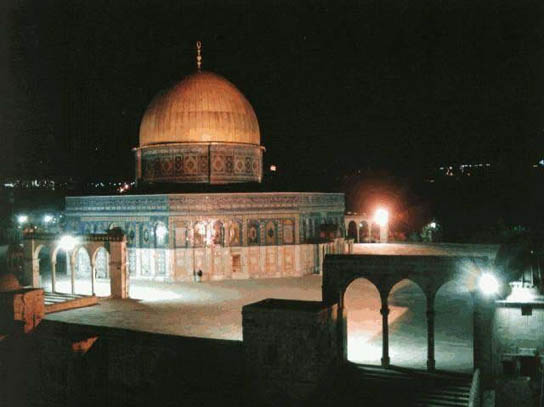
Question:
I have recently received an Email advising me of the status of the Masjid al Aqsa and diffrentiating it from the doom of the rock. Can you please clarify the situation and advise, if the Masjid e Aqsa is different from the Doom of the Rock, why do we see its picture representing Masjid e Aqsa at all Islamic places, and I (and many other muslims) were completely inaware of the difference.
Answer:
Praise be to Allaah.
Al-Masjid al-Aqsa (in Jerusalem) was the first of the two qiblahs, and is one of the three mosques to which people may travel for the purpose of worship. And it was said that it was built by Sulaymaan (peace be upon him), as stated in Sunan al-Nasaa’i (693) and classed as saheeh by al-Albaani in Saheeh al-Nasaa’i. And it was said that it existed before Sulaymaan (peace be upon him) and that Sulaymaan rebuilt it; this is based on the evidence narrated in al-Saheehayn from Abu Dharr (may Allaah be pleased with him) who said: “I said, ‘O Messenger of Allaah, which mosque was built on earth first?’ He said, ‘Al-Masjid al-Haraam [in Makkah].’ I said, ‘Then which?’ He said, ‘Al-Masjid al-Aqsa.’ I said, ‘How much time was there between them?’ He said, ‘Forty years. So wherever you are when the time for prayer comes, pray, for that is the best thing to do.’”
Narrated by al-Bukhaari, 3366; Muslim, 520.
The Prophet (peace and blessings of Allaah be upon him) was taken on the Night Journey (isra’) to Bayt al-Maqdis (Jerusalem), where he led the Prophets in prayer in this blessed mosque.
Allaah says (interpretation of the meaning):
“Glorified (and Exalted) be He (Allaah) [above all that (evil) they associate with Him]
Who took His slave (Muhammad) for a journey by night from Al-Masjid Al-Haraam (at Makkah) to Al-Masjid Al-Aqsaa (in Jerusalem), the neighbourhood whereof We have blessed, in order that We might show him (Muhammad) of Our Ayaat (proofs, evidences, lessons, signs, etc.). Verily, He is the All-Hearer, the All-Seer”
[al-Isra’ 17:1]
The Dome of the Rock was built by the caliph ‘Abd al-Malik ibn Marwaan in 72 AH.
It says in al-Mawsoo’ah al-Filasteeniyyah (4/203): “The name al-Masjid al-Aqsa was historically applied to the entire sanctuary (al-Haram al-Shareef) and the buildings in it, the most important of which is the Dome of the Rock which was built by ‘Abd al-Malik ibn Marwaan in 72 AH/691 CE, which is regarded as one of the greatest Islamic historical buildings. But today the name is applied to the great mosque which is situated in the southern part of the sanctuary plateau.”
It also says in al-Mawsoo’ah (3/23): “The Dome of the Rock is situated in the middle of the plateau of al-Masjid al-Aqsa, which is in the southeastern part of the city of al-Quds (Jerusalem). It is a spacious rectangular plateau which measures 480 meters from north to south, and 300 meters from east to west. This plateau occupies approximately one-fifth of the area of the Old City of Jerusalem.
The mosque which is the place of prayer is not the Dome of the Rock, but because pictures of the Dome are so widespread, many Muslims think when they see it that this is the mosque. This is not in fact the case. The Mosque is situated in the southern portion of the plateau, and the Dome is built on the raised rock that is situated in the middle of the plateau.
We have already seen above that the name of the mosque was historically applied to the whole plateau.
This is supported by the words of Shaykh al-Islam Ibn Taymiyah (may Allaah have mercy on him) in Majmoo’at al-Rasaa’il al-Kubra, 2/61: “Al-Masjid al-Aqsa is the name for the whole of the place of worship built by Sulaymaan (peace be upon him). Some people started to give the name of al-Aqsa to the prayer-place which was built by ‘Umar ibn al-Khattaab in front of it. Praying in this prayer-place which ‘Umar built for the Muslims is better than praying in the rest of the mosque, because when ‘Umar conquered Jerusalem there was a huge garbage dump on the rock, since the Christians wanted to show their scorn for the place towards which the Jews used to pray. So ‘Umar issued orders that the filth be removed and he said to Ka’b: ‘Where do you think we should build a place of prayer for the Muslims?’ He said, ‘Behind the rock.’ He said, ‘O you son of a Jewish woman! Are influenced by your Jewish ideas! Rather I will build it in front of it.’
Hence when the imams of this ummah entered the mosque, they would go and pray in the prayer-place that was built by ‘Umar. With regard to the Rock, neither ‘Umar nor any of the Sahaabah prayed there, and there was no dome over it during the time of the Rightly-Guided Caliphs. It was open to the sky during the caliphate of ‘Umar, ‘Uthmaan, ‘Ali, Mu’aawiyah, Yazeed and Marwaan… The scholars among the Sahaabah and those who followed them in truth did not venerate the rock because it was an abrogated qiblah… rather it was venerated by the Jews and some of the Christians.”
‘Umar denounced Ka’b al-Ahbaar and called him the son of a Jewish woman because Ka’b had been a Jewish scholar and rabbi, so when he suggested to ‘Umar that he should build the mosque behind the rock, that was out of respect for the rock so that the Muslims would face it when praying, and veneration of the rock was part of the religion of the Jews, not the religion of the Muslims.
The Muslims’ fondness for the picture of the Dome may be because of the beauty of this building, but this does not excuse them from the resulting mistake of not distinguishing between the Mosque and the buildings that surround it.
This may be one of the plots and tricks of the Jews, because of their veneration for the rock and their facing it in prayer. Or is may be in order to give importance to the Rock so that they can fulfil their desire to build the so-called Temple of Solomon on the ruins of al-Masjid al-Aqsa. This is by making the Muslims think that al-Masjid al-Aqsa is the Dome of the Rock, so that if the Jews start to destroy al-Masjid al-Aqsa and the Muslims denounce them for that, they will tell them, “Al-Masjid al-Aqsa is fine,” and will show them a picture of the Dome of the Rock. Thus they will achieve their aims and be safe from the Muslims’ criticism.
We ask Allaah to restore the Muslims’ power and glory, and to cleanse al-Masjid al-Aqsa of the brothers of the monkeys and pigs, for Allaah has full power and control over His Affairs, but most of men know not (cf. Yoosuf 12:21).
And Allaah knows best
Al-Masjid al-Aqsa (in Jerusalem) was the first of the two qiblahs, and is one of the three mosques to which people may travel for the purpose of worship. And it was said that it was built by Sulaymaan (peace be upon him), as stated in Sunan al-Nasaa’i (693) and classed as saheeh by al-Albaani in Saheeh al-Nasaa’i. And it was said that it existed before Sulaymaan (peace be upon him) and that Sulaymaan rebuilt it; this is based on the evidence narrated in al-Saheehayn from Abu Dharr (may Allaah be pleased with him) who said: “I said, ‘O Messenger of Allaah, which mosque was built on earth first?’ He said, ‘Al-Masjid al-Haraam [in Makkah].’ I said, ‘Then which?’ He said, ‘Al-Masjid al-Aqsa.’ I said, ‘How much time was there between them?’ He said, ‘Forty years. So wherever you are when the time for prayer comes, pray, for that is the best thing to do.’”
Narrated by al-Bukhaari, 3366; Muslim, 520.
The Prophet (peace and blessings of Allaah be upon him) was taken on the Night Journey (isra’) to Bayt al-Maqdis (Jerusalem), where he led the Prophets in prayer in this blessed mosque.
Allaah says (interpretation of the meaning):
“Glorified (and Exalted) be He (Allaah) [above all that (evil) they associate with Him]
Who took His slave (Muhammad) for a journey by night from Al-Masjid Al-Haraam (at Makkah) to Al-Masjid Al-Aqsaa (in Jerusalem), the neighbourhood whereof We have blessed, in order that We might show him (Muhammad) of Our Ayaat (proofs, evidences, lessons, signs, etc.). Verily, He is the All-Hearer, the All-Seer”
[al-Isra’ 17:1]
The Dome of the Rock was built by the caliph ‘Abd al-Malik ibn Marwaan in 72 AH.
It says in al-Mawsoo’ah al-Filasteeniyyah (4/203): “The name al-Masjid al-Aqsa was historically applied to the entire sanctuary (al-Haram al-Shareef) and the buildings in it, the most important of which is the Dome of the Rock which was built by ‘Abd al-Malik ibn Marwaan in 72 AH/691 CE, which is regarded as one of the greatest Islamic historical buildings. But today the name is applied to the great mosque which is situated in the southern part of the sanctuary plateau.”
It also says in al-Mawsoo’ah (3/23): “The Dome of the Rock is situated in the middle of the plateau of al-Masjid al-Aqsa, which is in the southeastern part of the city of al-Quds (Jerusalem). It is a spacious rectangular plateau which measures 480 meters from north to south, and 300 meters from east to west. This plateau occupies approximately one-fifth of the area of the Old City of Jerusalem.
The mosque which is the place of prayer is not the Dome of the Rock, but because pictures of the Dome are so widespread, many Muslims think when they see it that this is the mosque. This is not in fact the case. The Mosque is situated in the southern portion of the plateau, and the Dome is built on the raised rock that is situated in the middle of the plateau.
We have already seen above that the name of the mosque was historically applied to the whole plateau.
This is supported by the words of Shaykh al-Islam Ibn Taymiyah (may Allaah have mercy on him) in Majmoo’at al-Rasaa’il al-Kubra, 2/61: “Al-Masjid al-Aqsa is the name for the whole of the place of worship built by Sulaymaan (peace be upon him). Some people started to give the name of al-Aqsa to the prayer-place which was built by ‘Umar ibn al-Khattaab in front of it. Praying in this prayer-place which ‘Umar built for the Muslims is better than praying in the rest of the mosque, because when ‘Umar conquered Jerusalem there was a huge garbage dump on the rock, since the Christians wanted to show their scorn for the place towards which the Jews used to pray. So ‘Umar issued orders that the filth be removed and he said to Ka’b: ‘Where do you think we should build a place of prayer for the Muslims?’ He said, ‘Behind the rock.’ He said, ‘O you son of a Jewish woman! Are influenced by your Jewish ideas! Rather I will build it in front of it.’
Hence when the imams of this ummah entered the mosque, they would go and pray in the prayer-place that was built by ‘Umar. With regard to the Rock, neither ‘Umar nor any of the Sahaabah prayed there, and there was no dome over it during the time of the Rightly-Guided Caliphs. It was open to the sky during the caliphate of ‘Umar, ‘Uthmaan, ‘Ali, Mu’aawiyah, Yazeed and Marwaan… The scholars among the Sahaabah and those who followed them in truth did not venerate the rock because it was an abrogated qiblah… rather it was venerated by the Jews and some of the Christians.”
‘Umar denounced Ka’b al-Ahbaar and called him the son of a Jewish woman because Ka’b had been a Jewish scholar and rabbi, so when he suggested to ‘Umar that he should build the mosque behind the rock, that was out of respect for the rock so that the Muslims would face it when praying, and veneration of the rock was part of the religion of the Jews, not the religion of the Muslims.
The Muslims’ fondness for the picture of the Dome may be because of the beauty of this building, but this does not excuse them from the resulting mistake of not distinguishing between the Mosque and the buildings that surround it.
This may be one of the plots and tricks of the Jews, because of their veneration for the rock and their facing it in prayer. Or is may be in order to give importance to the Rock so that they can fulfil their desire to build the so-called Temple of Solomon on the ruins of al-Masjid al-Aqsa. This is by making the Muslims think that al-Masjid al-Aqsa is the Dome of the Rock, so that if the Jews start to destroy al-Masjid al-Aqsa and the Muslims denounce them for that, they will tell them, “Al-Masjid al-Aqsa is fine,” and will show them a picture of the Dome of the Rock. Thus they will achieve their aims and be safe from the Muslims’ criticism.
We ask Allaah to restore the Muslims’ power and glory, and to cleanse al-Masjid al-Aqsa of the brothers of the monkeys and pigs, for Allaah has full power and control over His Affairs, but most of men know not (cf. Yoosuf 12:21).
And Allaah knows best
.Islam Q&A
The People of the Cave are the people of the Inscription
Question:
Were the people of the Cave the people of the Inscription, or were these two different groups of people?
Answer:
Praise be to Allaah.
Shaykh al-Shanqeeti said, commenting on the aayah (interpretation of the meaning):
“Do you think that the people of the Cave and the Inscription (the news or the names of the people of the Cave) were a wonder among Our Signs?” [al-Kahf 18:9]
The apparent meaning is that the People of the Cave and of the Inscription were all one group, mentioned in conjunction with two things. This is in contrast to those who say that the people of the Cave were one group and the people of the Inscription were another group. Allaah told this story to His Prophet (peace and blessings of Allaah be upon them) in this soorah, and He did not mention anything about the people of the Inscription. This is unlike those who claim that the people of the Cave were three persons behind whom the rock fell and blocked the entrance of the cave in which they were, so they prayed to Allaah by virtue of their righteous deeds; they were one who honoured his parents, one who was chaste, and one who was a hired labourer. Their story is well known and is proven in al-Saheeh, but interpreting this aayah as meaning that these were the people referred to therein is far-fetched as you can see. It should be noted there is nothing about the story of the people of the cave, their names and which part of the earth they were in that has been narrated in any sound report from the Prophet (peace and blessings of Allaah be upon him), in addition to what is mentioned in the Qur’aan. The Mufassireen quoted many of those details from the Israa’eeliyyaat (reports from Jewish sources) which we will not quote here because they cannot be relied upon.
http://islamqa.com/index. Praise be to Allaah.
Shaykh al-Shanqeeti said, commenting on the aayah (interpretation of the meaning):
“Do you think that the people of the Cave and the Inscription (the news or the names of the people of the Cave) were a wonder among Our Signs?” [al-Kahf 18:9]
The apparent meaning is that the People of the Cave and of the Inscription were all one group, mentioned in conjunction with two things. This is in contrast to those who say that the people of the Cave were one group and the people of the Inscription were another group. Allaah told this story to His Prophet (peace and blessings of Allaah be upon them) in this soorah, and He did not mention anything about the people of the Inscription. This is unlike those who claim that the people of the Cave were three persons behind whom the rock fell and blocked the entrance of the cave in which they were, so they prayed to Allaah by virtue of their righteous deeds; they were one who honoured his parents, one who was chaste, and one who was a hired labourer. Their story is well known and is proven in al-Saheeh, but interpreting this aayah as meaning that these were the people referred to therein is far-fetched as you can see. It should be noted there is nothing about the story of the people of the cave, their names and which part of the earth they were in that has been narrated in any sound report from the Prophet (peace and blessings of Allaah be upon him), in addition to what is mentioned in the Qur’aan. The Mufassireen quoted many of those details from the Israa’eeliyyaat (reports from Jewish sources) which we will not quote here because they cannot be relied upon.
Adwaa’ al-Bayaan, 4/22.
Tuesday, September 12, 2006
Did The Arabs know about Allah before the Prophet(s) was sent?

Did the Arabs know about Allaah before the Prophet (peace and blessings of Allaah be upon him) was sent?
Question:
We know that Holy Prophet's()father name was Abdullah & he had passed away before Prophet's birth.With this background please tell that what was the concept in arabs about "ALLAH"before prophet.Were they familiar to this word before prophet's birth?How did they differentiate Allah from idols,if at all they did?
Answer:
You should note that Arabian societies before Islam were not atheistic societies that denied the existence of Allaah, or societies that were unaware that there is a Lord, Creator and Provider. They knew that, and they still retained some traces of the religion of Ibraaheem, and they had contact with Jews and Christians. But their problem was that they did not worship Allaah Alone in exclusion to others; they had other gods whom they associated in worship with Him, and which they worshipped not on the basis that they were the Lord, the Creator the Provider, but because they claimed that these were intermediaries who would intercede between them and Allaah and bring them closer to Allaah. Hence Allaah said concerning them (interpretation of the meaning):
“And if you (O Muhammad) ask them: ‘Who has created the heavens and the earth,’ they will certainly say: ‘Allaah’” [Luqmaan 31:25]
This indicates that they acknowledged that Allaah is the Creator. Another aayah says (interpretation of the meaning):
“And verily, if you ask them: ‘Who created the heavens and the earth?’ Surely, they will say: ‘Allaah (has created them)’”
[al-Zumar 39:38]
Many aayaat indicated that they believed in the Unity of Lordship (Tawheed al-Ruboobiyyah); their shirk was with regard to divinity (uloohiyyah), as Allaah says concerning them (interpretation of the meaning):
“And those who take Awliyaa’ (protectors, helpers, lords, gods) besides Him (say): ‘We worship them only that they may bring us near to Allaah’” [al-Zumar 39:3]
i.e., they said, we only worship them so that they may bring us closer to Allaah. Shaykh Sa’d al-Humayd
You should note that Arabian societies before Islam were not atheistic societies that denied the existence of Allaah, or societies that were unaware that there is a Lord, Creator and Provider. They knew that, and they still retained some traces of the religion of Ibraaheem, and they had contact with Jews and Christians. But their problem was that they did not worship Allaah Alone in exclusion to others; they had other gods whom they associated in worship with Him, and which they worshipped not on the basis that they were the Lord, the Creator the Provider, but because they claimed that these were intermediaries who would intercede between them and Allaah and bring them closer to Allaah. Hence Allaah said concerning them (interpretation of the meaning):
“And if you (O Muhammad) ask them: ‘Who has created the heavens and the earth,’ they will certainly say: ‘Allaah’” [Luqmaan 31:25]
This indicates that they acknowledged that Allaah is the Creator. Another aayah says (interpretation of the meaning):
“And verily, if you ask them: ‘Who created the heavens and the earth?’ Surely, they will say: ‘Allaah (has created them)’”
[al-Zumar 39:38]
Many aayaat indicated that they believed in the Unity of Lordship (Tawheed al-Ruboobiyyah); their shirk was with regard to divinity (uloohiyyah), as Allaah says concerning them (interpretation of the meaning):
“And those who take Awliyaa’ (protectors, helpers, lords, gods) besides Him (say): ‘We worship them only that they may bring us near to Allaah’” [al-Zumar 39:3]
i.e., they said, we only worship them so that they may bring us closer to Allaah. Shaykh Sa’d al-Humayd
Subscribe to:
Posts (Atom)